Weaponization of Artsakh’s Air |
Weaponization of Artsakh’s Air |
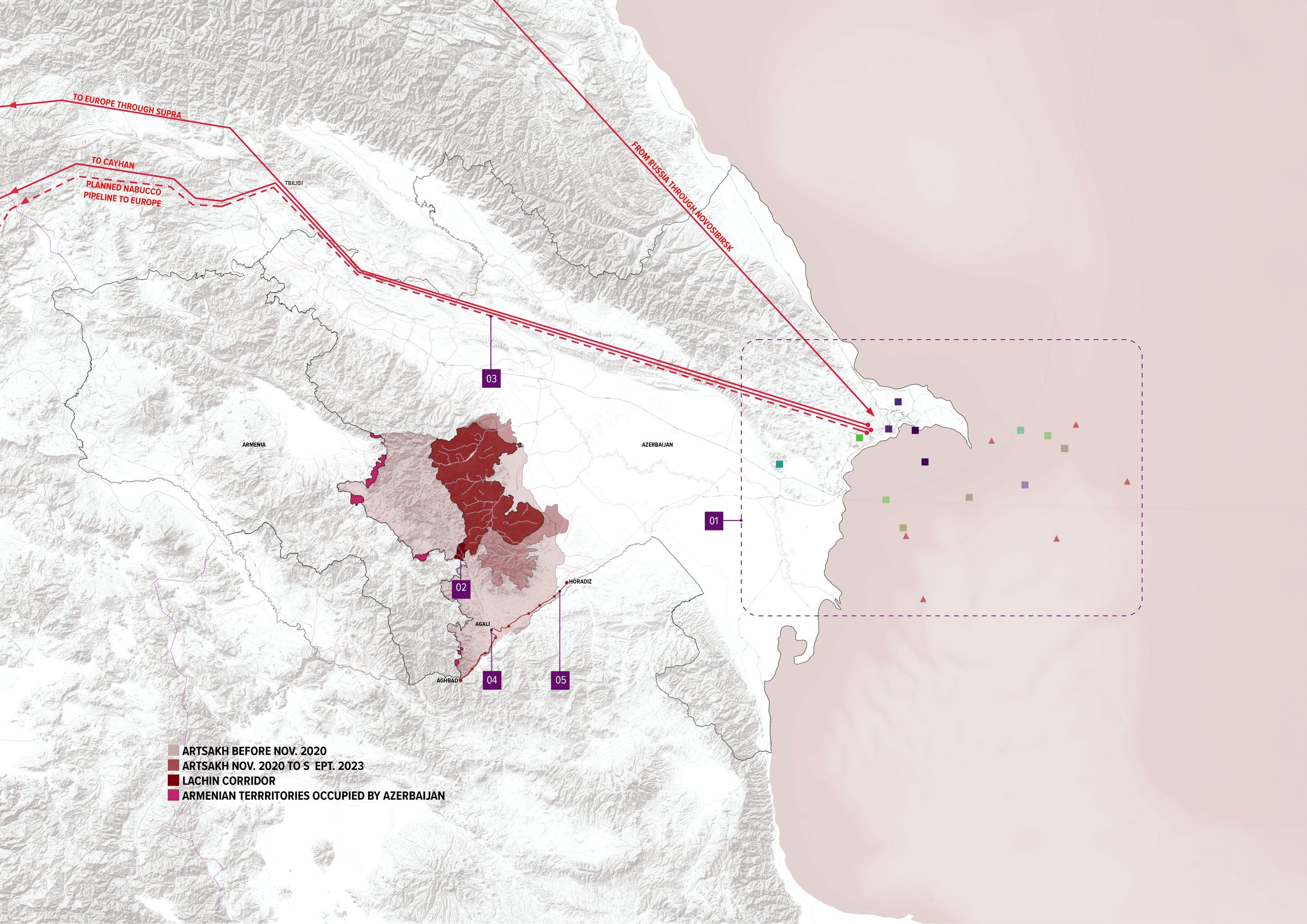
The blockade of Artsakh under the guise of "environmental protests" marked the emergence of a new form of weaponized environmental activism. This campaign, amplified globally at COP29 by petro-oligarchies and extractive states, parallels a long history of imperial regimes co-opting ecological language to legitimize control. Turning climate activism into climate propaganda. This essay argues that "smart villages" and renewable energy projects serve as a geopolitical facade to obscure forced displacement while expanding fossil fuel corridors for European markets. The essay calls for a reimagining of territorial sovereignty and "breathable futures" that exist beyond colonial, extractive, and state-centric logics.
Air is not just a medium, it’s a kin. It permeates soil, water, lungs, tracheae, stomata, gills, cells, and ancestral memory. Yet air can also be used as a tool of oppression and choking. The weaponization of the environment in Artsakh transforms air into an arena of surveillance, intimidation, and control. Here, air carries layers of violence: High levels of CO2 toxic contamination from burning forests, the blockade-induced stagnation that chokes ancestral lands, and the vaporization of the Sarsang Reservoir, cutting off water and electricity from communities sustained by the land and mountains. This is not air as a neutral medium but as an agent deeply entangled in geopolitics and environmental degradation.
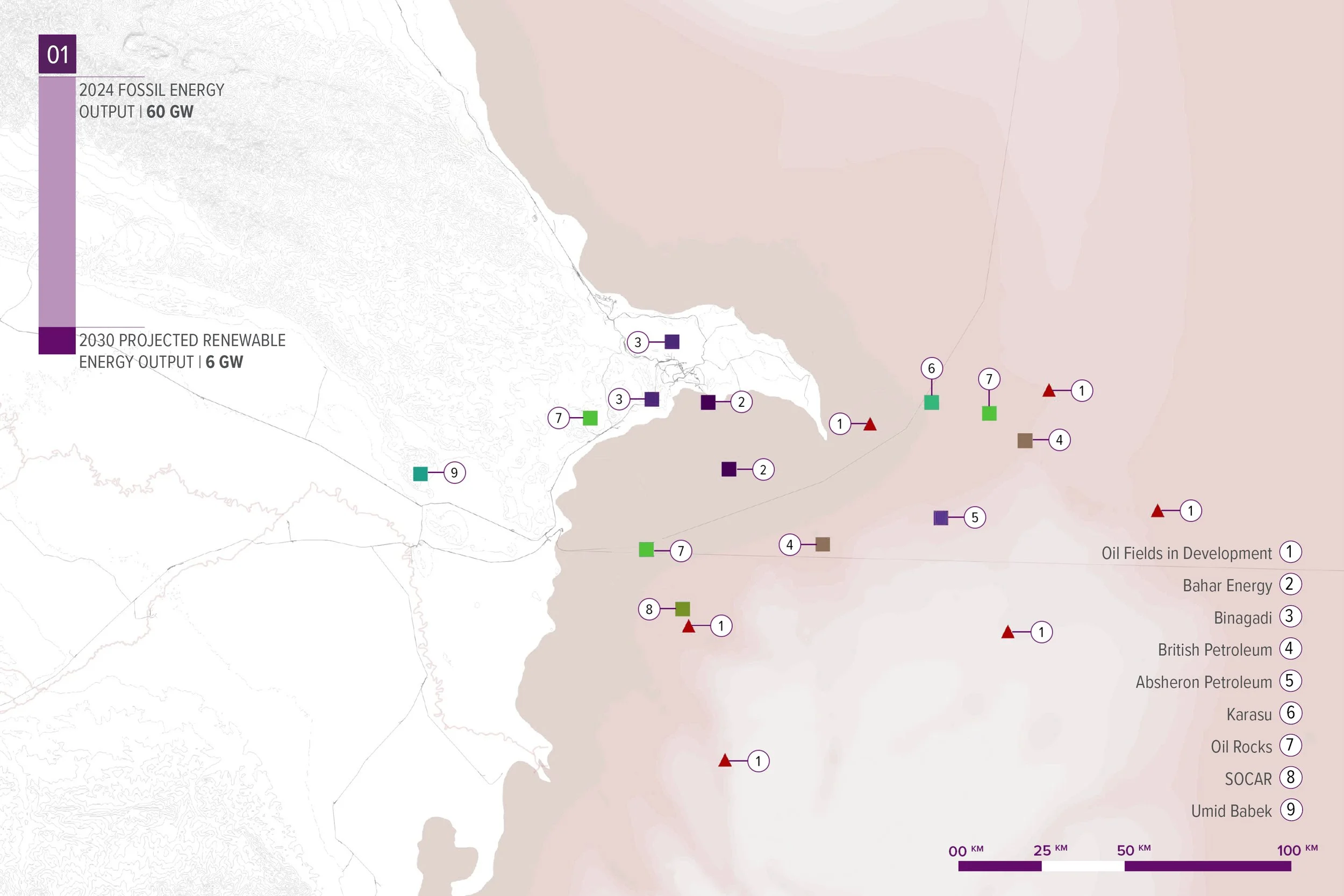
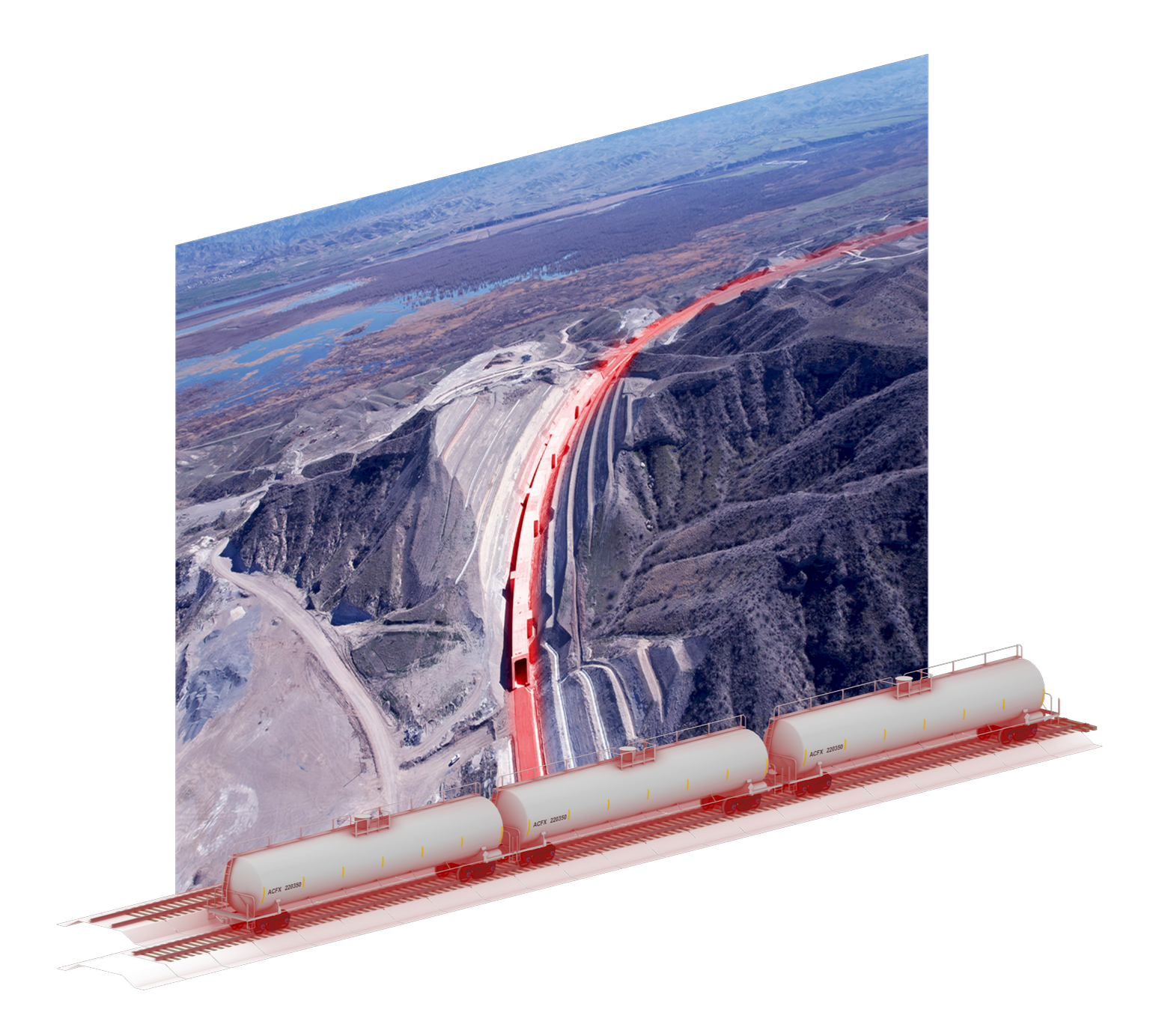
Under commodified sustainability and "smart villages," an atmospheric infrastructure of control is established, obscuring acts of ethnic cleansing. Futurity is marketed through solar panels, yet each panel is shadowed by pipelines, linking renewable energy projects to displacement. Nevertheless, ancestral aerologies persist. To trace these aerologies is to reimagine air-relations beyond colonial logics and the weaponization of breath. For the air is not always overtly poisoned; rather, it is meticulously curated, presented as a matter of concern; a stage upon which extractive ambitions, territorial occupation, and green-washed architecture are portrayed as inevitable. To understand the weaponization of air is thus to interrogate this curation, to exhale refusal, and inhale the possibility of breathable futures.
Authors: Farah Alkhoury and Tigran Kostandyan